Understand your cataract. Choose a lens that fits your life.
Cataract Surgery & Lens Options
At Sayyad Eye Center, cataract care begins with assessing your eye health and understanding how you use your vision. We discuss whether surgery is appropriate, which lens options suit your eyes, and what results you can realistically expect.
Blurred vision, troublesome glare or increasing difficulty with reading and night driving may be signs of cataract. An examination can establish the cause and whether an updated glasses prescription or surgery is the next step. Having a cataract does not always mean you need an operation immediately.
What is a cataract?
A cataract is clouding of the natural lens inside the eye. Surgery removes this cloudy lens and replaces it with an artificial intraocular lens, or IOL.
Your cataract consultation
We examine the eye and discuss your symptoms, medical history and visual priorities. If surgery is being planned, measurements help calculate lens power. Corneal mapping or retinal OCT may be recommended when clinically indicated. Bring your glasses, medication list and any records of previous eye surgery. Let us know if you wear contact lenses so we can advise you about measurements.
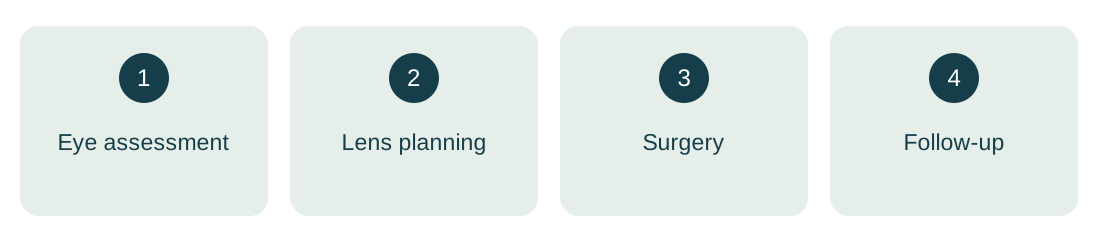
Each stage is tailored to your eye health. The illustration is not to scale.
Choosing your lens
Lens selection should reflect the health of your eye and your priorities for reading, computer use and driving. A more expensive lens is not automatically the better option. No lens guarantees complete freedom from glasses.
Compare your lens options
Lens selection is guided by your examination, preoperative investigations and visual needs.
Lens type
Main purpose
Glasses and trade-offs
Available brands / models
Monofocal
One main focus, often distance.
Reading glasses are usually needed when set for distance.
Alcon Clareon Monofocal Johnson & Johnson SENSAR Johnson & Johnson TECNIS Monofocal Bausch + Lomb enVista (Aspheric)
Monofocal Plus
An enhanced monofocal design that aims to improve intermediate vision.
Reading glasses are generally still needed. These lenses are distinct from the EDOF category.
BVI ISOPURE Johnson & Johnson TECNIS Eyhance
Extended depth of focus (EDOF)
A broader range, typically distance to intermediate.
Glasses may still be needed for close reading; optical effects depend on lens design.
Alcon Vivity Johnson & Johnson TECNIS PureSee
Trifocal
Useful vision at several distances in suitable eyes.
Halos, glare and changes in contrast may be a trade-off.
Alcon PanOptix BVI FineVision
Illustrative examples, not a prediction of your vision. Lens model, eye health, lighting and preoperative measurements affect the result. Glasses may still be needed with any lens. Nighttime halos and glare vary; the rings shown illustrate a possibility, not a guaranteed experience.
Monofocal
One main focus, often distance.
Reading glasses are usually needed when set for distance.
Spherical and aspherical monofocal options are available.
What is the difference? A spherical lens has a uniformly curved surface, like part of a sphere. An aspherical lens has a modified curvature to manage spherical aberration—an optical effect that can reduce image sharpness and contrast. Some aspherical designs compensate for corneal spherical aberration; others, such as enVista, are designed not to add spherical aberration. The choice is guided by your eye examination and preoperative investigations, including lens-power measurements and corneal assessment, with additional tests when indicated. Neither design alone removes the need for reading glasses.
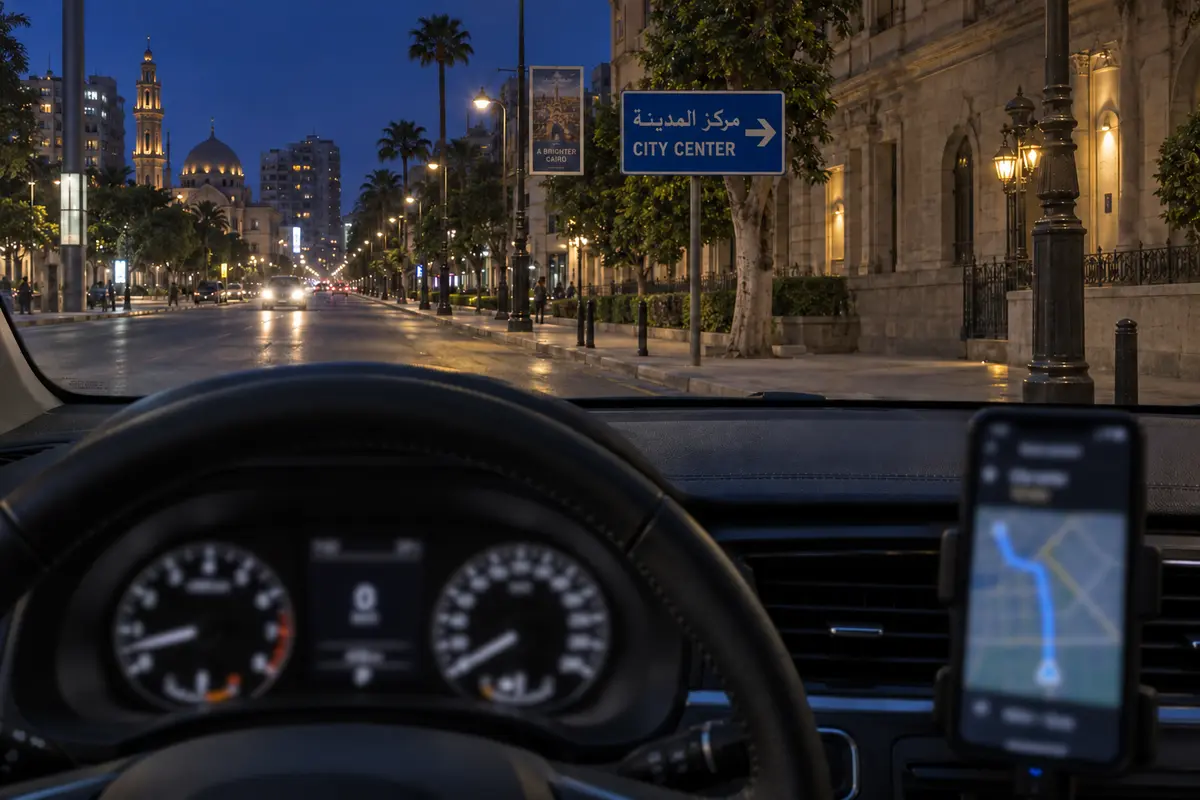
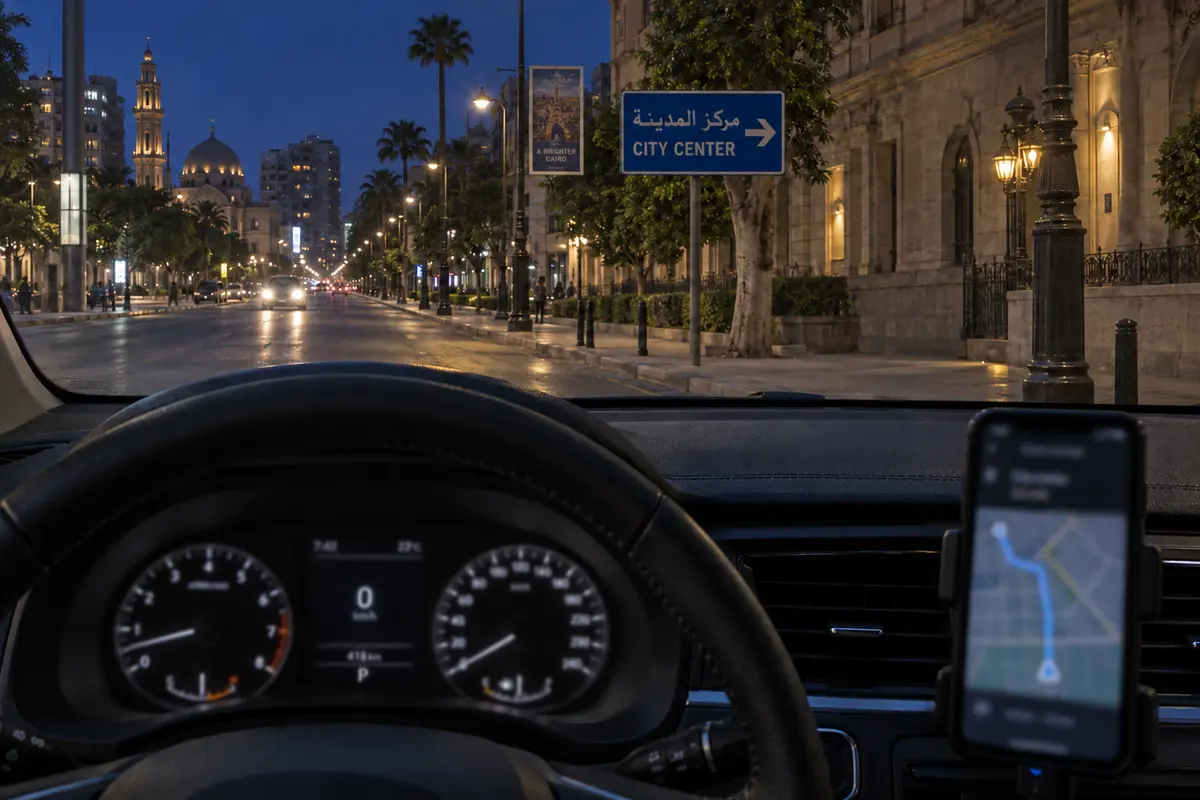
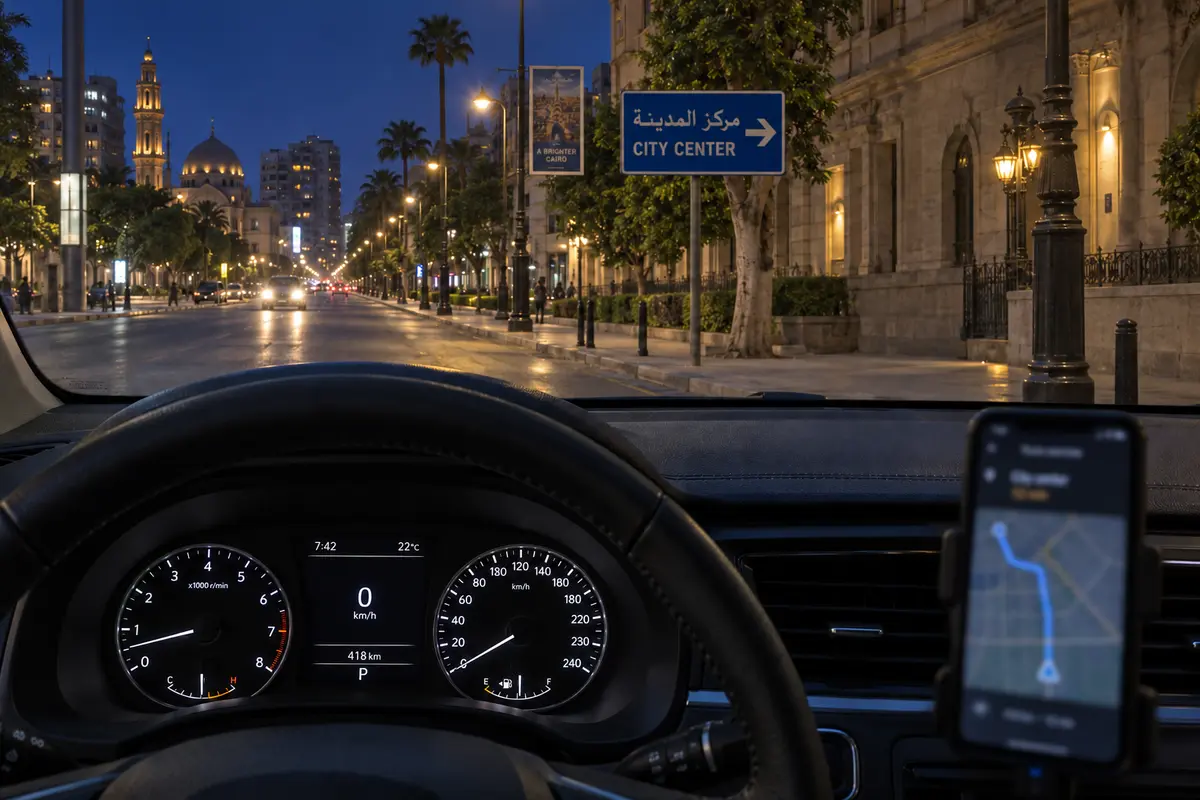
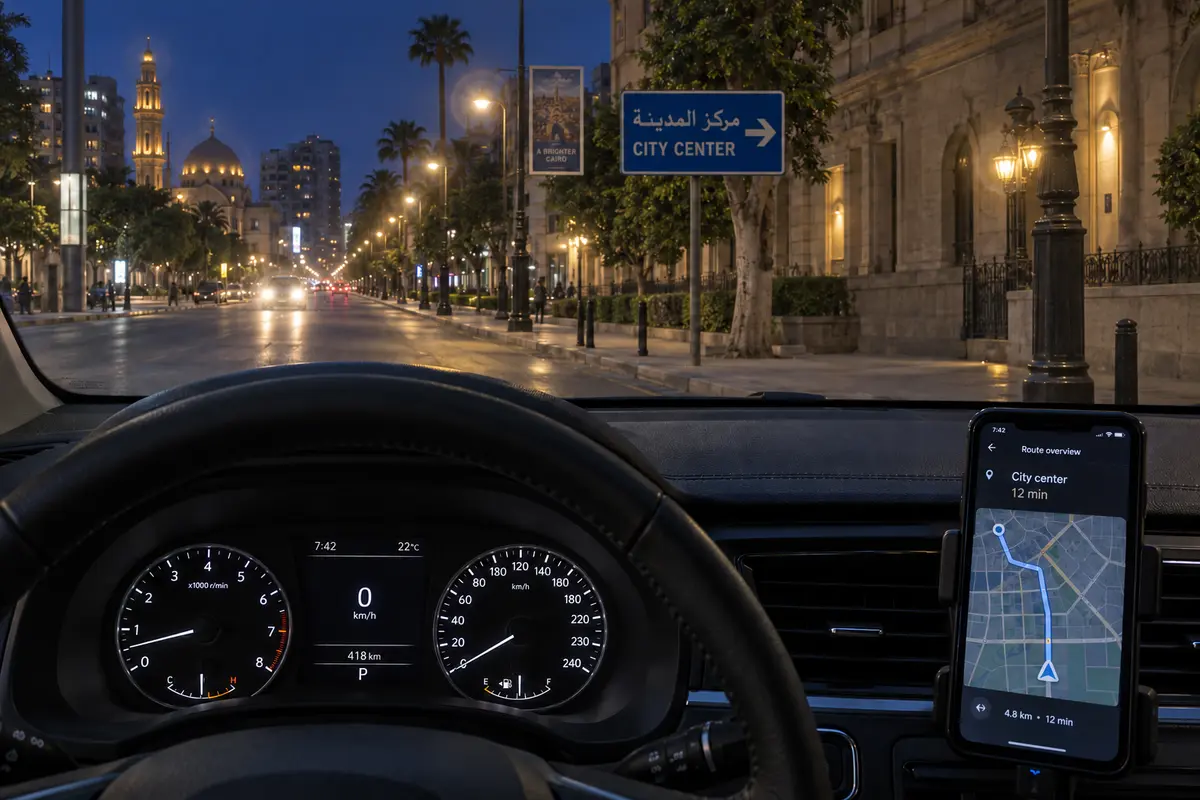
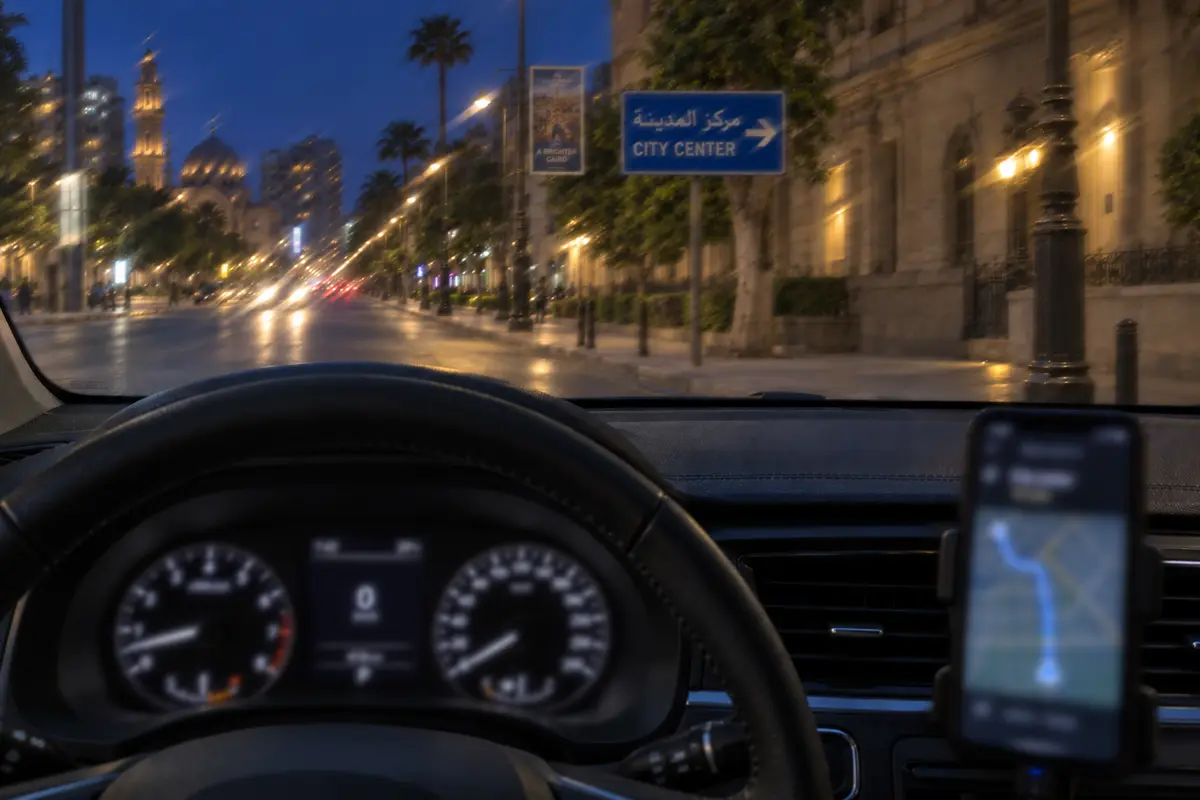
Daytime at the café — With a distance target, street signs are the main focus. The menu and laptop may need glasses.Nighttime from the driver’s seat — Distance is the main focus. Dashboard detail and the nearby phone may need glasses. Halos and glare can still occur.
Monofocal Plus
An enhanced monofocal design that aims to improve intermediate vision.
Reading glasses are generally still needed. These lenses are distinct from the EDOF category.
Daytime at the café — Distance remains the main focus, with some improvement in intermediate vision. Small menu print usually still needs reading glasses.Nighttime from the driver’s seat — Distance and some dashboard detail may be useful without glasses. The nearby phone usually remains more difficult to read. Night effects vary.
Extended depth of focus (EDOF)
A broader range, typically distance to intermediate.
Glasses may still be needed for close reading; optical effects depend on lens design.
Daytime at the café — Designed to extend useful vision from distance towards the laptop. The close menu, especially small print, may still need reading glasses.Nighttime from the driver’s seat — Designed to extend useful vision towards the instrument cluster while retaining distance focus. The nearby phone may need glasses. Halos and glare depend on lens design and the individual eye.
Trifocal
Useful vision at several distances in suitable eyes.
Halos, glare and changes in contrast may be a trade-off.
Daytime at the café — Designed to provide useful near, intermediate and distance vision, including the menu, laptop and street. Small print may still need glasses.Nighttime from the driver’s seat — Designed to provide a broader range from the phone to the road. Halos or glare around lights may be more noticeable; the illustration shows one possible effect.
Astigmatism: standard monofocal versus monofocal toric
The same distance-target monofocal focus is shown on both sides. On the left, uncorrected corneal astigmatism causes illustrative blur and ghosting. On the right, a suitable, correctly aligned toric lens reduces that astigmatism. Toric correction does not add near focus; reading glasses may still be needed. Residual astigmatism and outcomes vary.
Daytime at the café
Standard monofocal · astigmatism uncorrectedMonofocal toric · astigmatism corrected (illustrative)
Nighttime from the driver’s seat
Standard monofocal · astigmatism uncorrectedMonofocal toric · astigmatism corrected (illustrative)
Toric correction addresses suitable corneal astigmatism and can be available with different lens designs. It is a separate choice from the lens’s range of focus.
How surgery works
The cloudy lens is removed through a small incision using phacoemulsification and replaced with an IOL. Surgery is usually performed as a day procedure with local anaesthesia. The surgical team will explain preparation and anaesthesia for your case. Timing varies; allow for preparation and observation as well as the operation itself.
Recovery and follow-up
Vision may improve over the first few days and fluctuate while the eye heals. Use prescribed drops, avoid rubbing the eye and attend follow-up appointments. Arrange transport home after surgery. Your surgeon will advise when you can drive, exercise and resume other activities.
Benefits, limitations and risks
The aim is to improve vision affected by cataract. Retinal, corneal or optic nerve disease can limit the result, and glasses may still be needed. Possible complications include infection, inflammation or swelling, pressure changes, retinal detachment and lens-related problems. Some complications require further treatment and can affect sight. Your surgeon will discuss the risks relevant to your eye.
Questions before your appointment
Will I still need glasses?
Possibly. This depends on the lens, the chosen focus and how your eye heals. Even with lenses designed for a wider range of vision, glasses may be needed for some tasks.
Does cataract surgery hurt?
Anaesthesia is used to keep you comfortable. You may notice light, movement or pressure. Tell the team if you feel discomfort so they can respond.
Can cataracts return?
The removed cataract does not grow back. The capsule behind the implant can become cloudy later. This is called posterior capsule opacification and may be treated with a YAG laser after assessment.
Can I have surgery if I have diabetes or glaucoma?
Often yes, but these conditions can affect planning and the expected result. Your surgeon will assess the retina, optic nerve and other relevant findings before recommending treatment.
How much will treatment cost?
Ask for an individual quotation after assessment and lens selection, with clarification of what is included in the surgical and follow-up fees.
Discuss your cataract and lens choices
Book an assessment at Sayyad Eye Center to discuss your symptoms and the options appropriate for your eyes.